
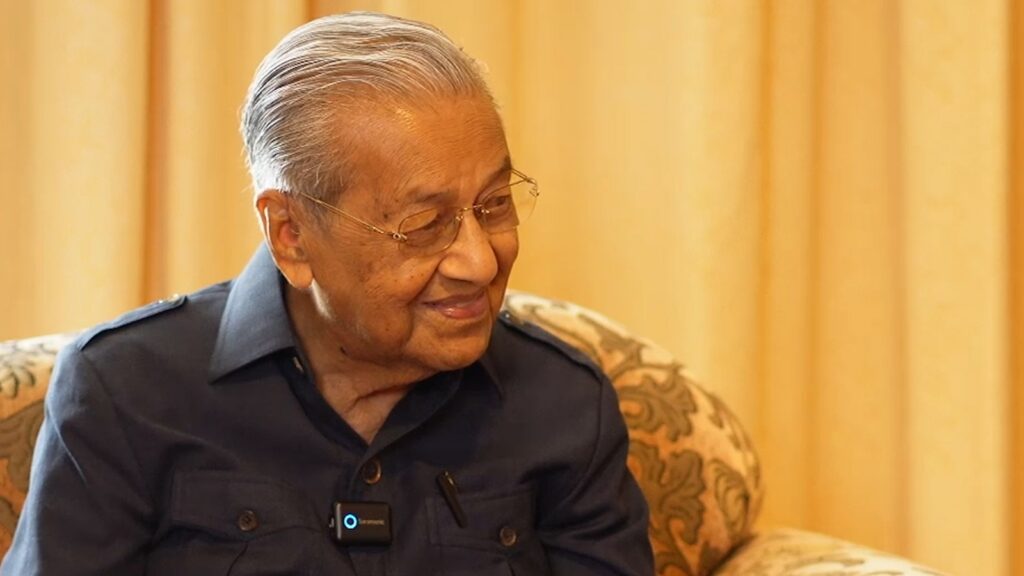
Putrajaya, 9 Dec 2025 – Former prime minister Tun Dr Mahathir Mohamad has called for greater opportunities for women in Malaysia’s leadership and corporate landscape, stressing that women bring qualities that can significantly strengthen governance, integrity and performance across sectors.
Despite Malaysia’s economic progress, the 100-year-old statesman said women still face bias that limits their rise to top positions.
“I think there is still a bias against women. There are more women who are very capable and they should be given the chance,” said Mahathir in a dialogue recently with Supernewsroom.AI, a media hub helmed by women entrepreneurs.
Admitting that women have certain values which men don’t have, he said: “They are actually more honest. They don’t steal.”
“When given a job, they do it properly without abusing their position. Women should be given prominence.”
The longest serving prime minister noted that while the civil service has increasingly embraced female leadership, the Cabinet and corporate sectors should also reflect this confidence.
One of the finest women ministers he had in his cabinet was Iron Lady and Rapid-Fire Tan Sri Rafidah Aziz, who steered the Ministry of International Trade and Industry from 1987 to 2008.
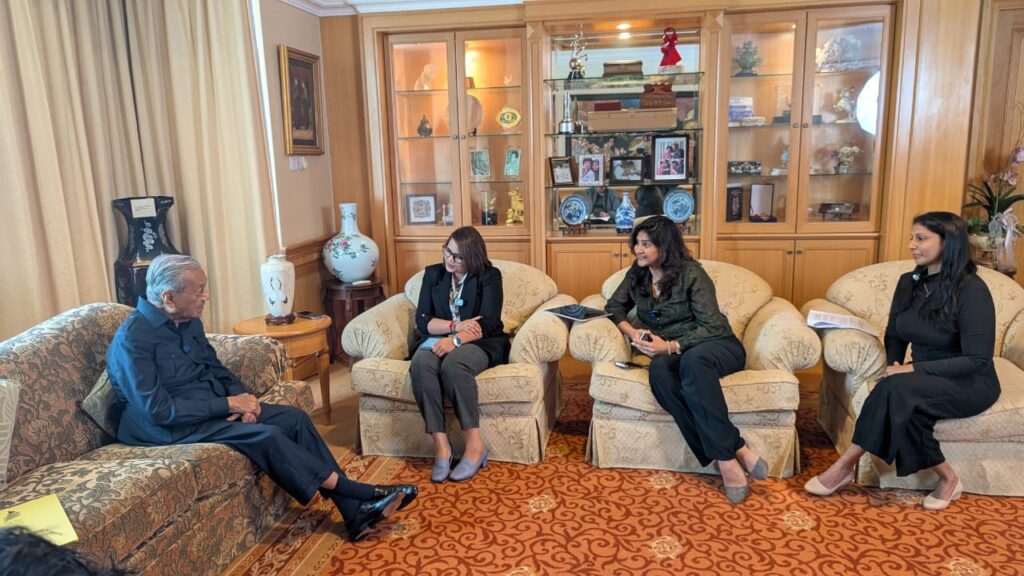
Responding to concerns raised by women entrepreneurs over the challenges of securing venture capital (VC) funding where male-led startups were often preferred, Dr Mahathir described this perception as “wrong” and rooted in misunderstanding.
“No, I think that is a wrong perception, a wrong impression.
“For example, when you face a woman customs officer, her examination is always very thorough, very strict. In fact, I feared women customs officers because if you are bringing in something, she is going to do a thorough examination,” he said in jest.
Emphasising that being thorough is a strong characteristic of a woman, he highlighted “people don’t quite like them because of their thoroughness.”
Malaysia has made tremendous progress in employing women.
Some, for example, serve as fighter jet pilots, an achievement he said many countries in the Middle East have yet to match due to restrictive cultural practices unrelated to actual religious requirements.
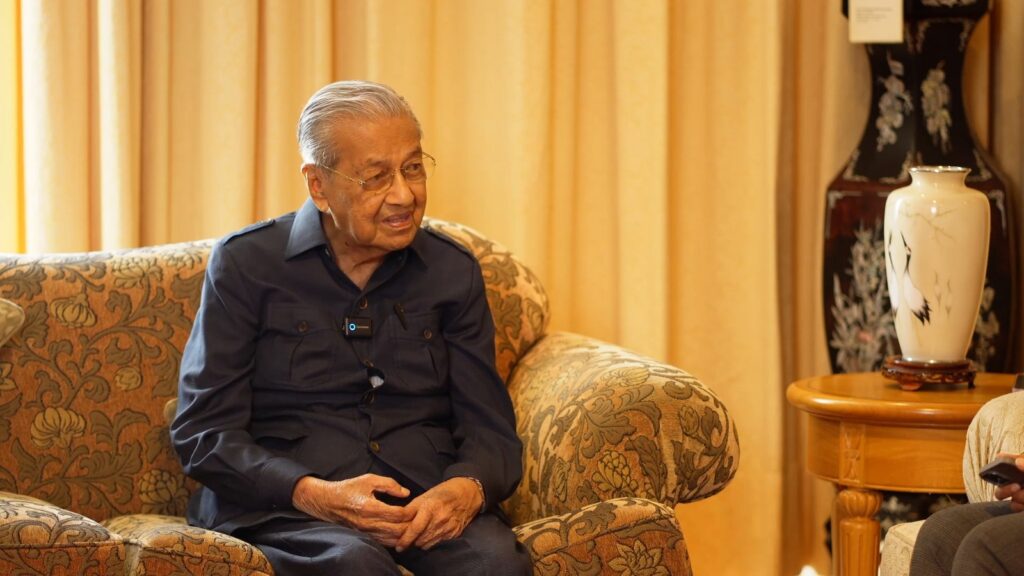
During his visits to Arab countries, the question on the role of women was frequently raised.
“I pointed out, in Malaysia, women have got more opportunities and are much better off than (their counterparts) in Muslim countries,” he acknowledged.
In a related note, Dr Mahathir also stressed that the country should not measure progress solely against Western standards.
The centenarian expressed concern about what he described as the “collapse of moral values” in some Western societies, arguing that Malaysia should uphold an approach that balances modernity with cultural and religious integrity.
His call for greater recognition of women’s strengths adds to the growing push for reforms that will allow Malaysia to better harness the full potential of its female talent pool.